Replacement & new locks
Lock Replacement in Hawthorn
Replacing a lock is one of the most common things a locksmith does, and one of the most misunderstood. "Changing the locks" does not always mean removing everything: on many doors the cylinder can be changed while the rest of the hardware stays.
Below are the situations where people usually consider a replacement, and what is worth thinking about first.
- Keyline
- Service
- Solution
When people replace a lock
- Damaged hardware — impact, forced entry attempts, water or corrosion
- Worn mechanisms that no longer operate smoothly or reliably
- Lost keys, where the missing key could be linked to the address
- Moving into a property and not knowing who else holds a key
- A change of tenants in a rental or investment property
- Renovations that have changed the door, the frame or the hardware
- A general decision to improve the entry points on a property
Replacing the cylinder versus the whole lock
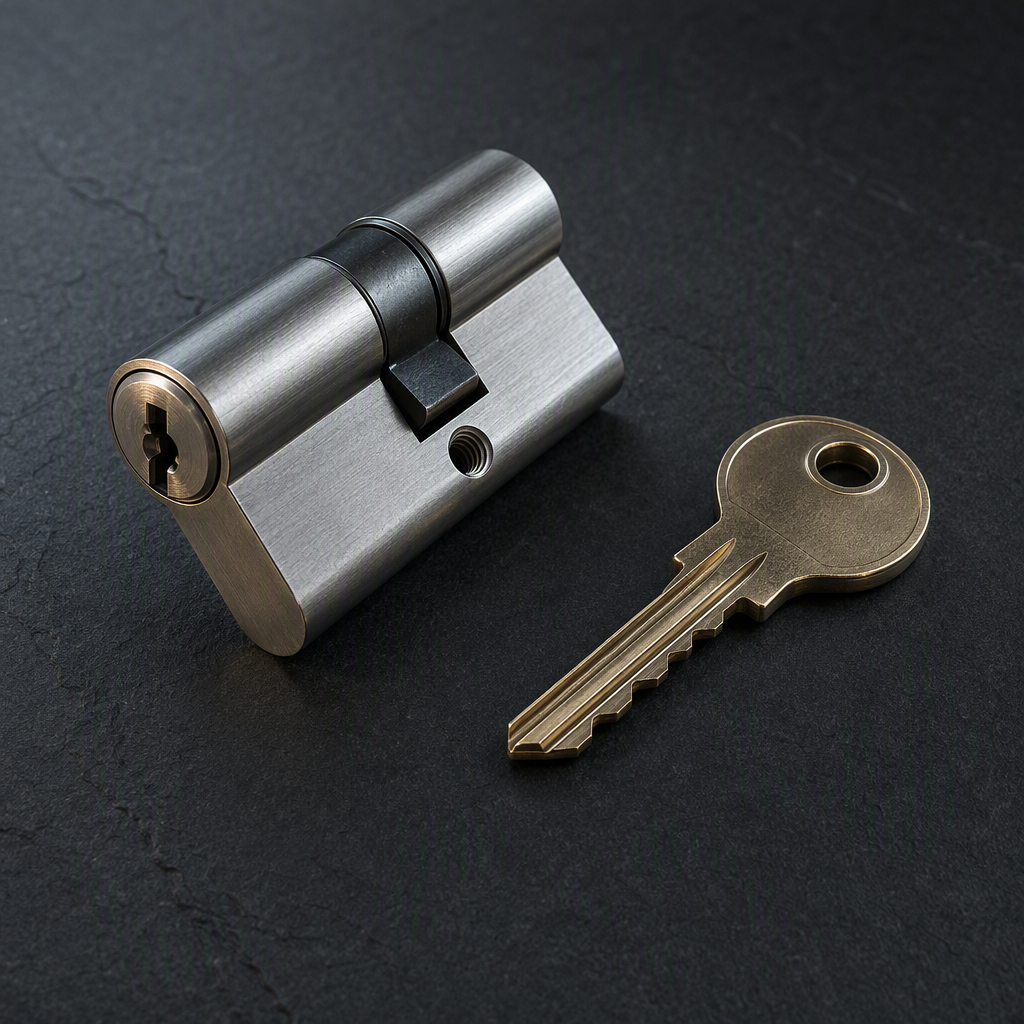
If the lock body is sound and the only issue is who holds a key, changing the cylinder is often enough. That is a smaller job than replacing the entire lock, and it leaves matched hardware in place.
If the lock body itself is worn or damaged, or the door has changed, the whole unit usually needs to come out. Which applies to your door is something we determine on site.
Moving in, moving out, changing tenants
Moving into a property is the single most sensible moment to review locks. You inherit whatever key history the previous occupants had, and you have no way to audit it. The same logic applies between tenancies on rental and investment properties.
It is also a good moment to look at every entry, not just the front door — the back door, the garage side door and any gate or laundry entry are easy to forget.
New lock installation
Some doors need a lock fitted where there was not one before: a new internal door after renovation, a laundry or store room, a secondary lock on an existing entry. Installation depends on the door construction, the frame and whether the door can accommodate the hardware.
Choosing hardware
We will not tell you one product is universally the safest, because that is not how it works. Suitability depends on the door, the frame, the way the property is used and what you want the lock to do. We would rather explain the trade-offs and let you decide.
Straight up
No lock makes a property completely secure, and no single brand is right for every door. Anyone claiming otherwise is selling, not advising.
It depends on the hardware and the reason for the change. If the lock body is sound and the concern is key holders, a cylinder change is often sufficient.
Many people do, because you have no way of knowing who still holds a working key. It is a common and reasonable step.
In some cases compatible hardware can be arranged so one key operates more than one door. Whether that is possible depends on the existing locks, so it needs to be assessed.
Thinking about changing a lock?
Tell us which doors you are considering and why. We will explain the options that actually apply to them.